
When it comes to wheel balancing, wheel weights play a crucial role in ensuring smooth driving. Whether you're driving a passenger car, a heavy-duty truck, or a high-performance sports car, the right wheel weight can improve your vehicle’s performance, safety, and longevity. With different types of wheel weights available on the market, it’s essential to understand your options and choose the best one for your specific needs. Let's take a look at the different types of wheel weights, their applications, and help you make an informed decision.
1. Adhesive Wheel Weights
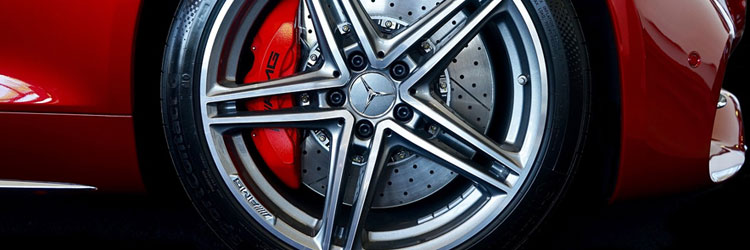
Adhesive wheel weights are popular for vehicles with alloy wheels, providing a discreet and aesthetically pleasing solution. These weights come with a strong adhesive backing that allows them to stick directly to the inside or outside of the wheel rim.
Types of Adhesive Weights:
• Lead Adhesive Weights: Traditionally used for their malleability and cost-effectiveness, lead adhesive weights are still common in many applications. However, due to environmental concerns, lead is increasingly being phased out.
• Zinc Adhesive Weights: These are becoming more common as an eco-friendly alternative to lead. Zinc is heavier than aluminum, providing a similar effect with a lower environmental impact.
When to Use Adhesive Weights:
• Alloy Wheels: Perfect for vehicles with alloy wheels where clip-on weights may scratch or damage the rims.
• Low-Profile Tires: Adhesive weights are ideal for vehicles with low-profile tires, as there may not be enough space to accommodate clip-on weights.
• Aesthetic Appeal: If you want a clean, polished look with no visible weights, adhesive weights are the best option.
Pros:
• Aesthetically pleasing, as they are hidden inside the wheel.
• Suitable for low-profile or performance tires.
• Less risk of damaging rims compared to clip-on weights.
• Less prone to rusting or corrosion when compared to steel weights.
Cons:
• The adhesive may degrade over time, especially in extreme temperatures or road conditions.
• Not reusable once removed.
• Can be more time-consuming to apply, requiring careful placement.
2. Clip-on Wheel Weights
Clip-on wheel weights are designed to clip onto the outer edge of the wheel's rim. They are commonly used for steel wheels or in situations where quick installation or adjustments are necessary. Clip-on weights are easy to apply and remove, making them a preferred option for some vehicle types.
Types of Clip-on Weights:
• Steel Clip-on Weights: These are the most common type and are made from durable steel. They are more visible than adhesive weights but tend to stay in place securely.
• Zinc Clip-on Weights: Similar to adhesive weights, zinc clip-on weights are often used as a more eco-friendly option compared to lead.
When to Use Clip-on Weights:
• Steel Wheels: Clip-on weights are commonly used for steel wheels, which are less prone to damage compared to alloy rims.
• Heavy-Duty Vehicles: Trucks and commercial vehicles that experience heavy loads and rough road conditions can benefit from the secure hold of clip-on weights.
• Quick Adjustments: If you frequently need to rebalance your wheels, clip-on weights are easier to adjust or remove than adhesive ones.
Pros:
• Easy to apply, remove, and adjust.
• Reusable, making them a more cost-effective option in the long run.
• More secure for heavy-duty and off-road applications where vibration can be a concern.
• Typically stay in place even under harsh driving conditions.
Cons:
• More visible on the wheel, which may be undesirable for those seeking a clean, sleek look.
• Can scratch or damage alloy rims during installation or removal.
• May not fit well on low-profile tires or wheels with limited space.
3. Stick-on Wheel Weights
Stick-on wheel weights are similar to adhesive weights but are designed to be flexible and often come in strips. They adhere to the inside of the wheel rim using a strong adhesive, allowing for a more precise and custom fit.
Types of Stick-on Weights:
• Single Weights: Individual weights that can be applied to specific locations around the rim for fine-tuning the balance.
• Continuous Strips: Long strips of weight material that can be cut to size, offering flexibility for various wheel designs and sizes.
When to Use Stick-on Weights:
• Custom Wheel Balancing: For wheels that require a more detailed, tailored weight placement.
• Performance Vehicles: Ideal for high-performance vehicles that require precise wheel balance.
• Low-Profile Tires: Stick-on weights are great for low-profile tires where clip-on weights might not fit.
Pros:
• Can be cut to size for a more precise application.
• Offers better balance adjustments with minimal weight.
• Flexible and suitable for a range of wheel designs.
• Cleaner appearance than clip-on weights.
Cons:
• More expensive than clip-on weights due to customization.
• Requires more time and skill to apply correctly.
• Adhesive may lose its strength over time, especially in extreme driving conditions.
4. Hammer-on Wheel Weights
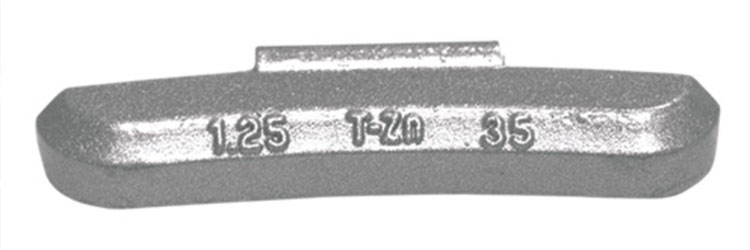
Hammer-on wheel weights, also known as “pound-on” weights, are heavy weights that are hammered onto the rim with a tool. They are less common today but are still used in certain applications.
When to Use Hammer-on Weights:
• Heavy-duty or Industrial Vehicles: Typically found on large trucks, construction equipment, or other vehicles that require substantial weight for balance.
• Vehicles with Steel Rims: Often used for vehicles with steel rims where the hammer-on process is most effective.
Pros:
• Secure and stable once applied.
• Less likely to fall off or shift over time.
• Suitable for heavy-duty applications.
Cons:
• Can cause significant damage to the rim if not applied correctly.
• More visible and not aesthetically pleasing.
• Labor-intensive to install and remove.
5. Non-lead Wheel Weights
As environmental regulations become stricter, non-lead wheel weights, such as zinc and steel weights, have gained popularity. These alternatives are often used in conjunction with adhesive or clip-on designs.
Types of Non-lead Weights:
• Zinc Wheel Weights: Zinc is a popular choice because it's nearly as heavy as lead but less harmful to the environment.
• Steel Wheel Weights: Steel is lighter than lead but still a practical, durable option for wheel balancing.
When to Use Non-lead Weights:
• Eco-Friendly Applications: If you’re looking to minimize environmental impact or comply with regulations, non-lead weights are the ideal option.
• Heavy-duty Applications: Non-lead materials can still support heavy loads and perform well in demanding driving conditions.
Pros:
• Environmentally friendly and safer to handle.
• Durable and cost-effective.
• Available in both adhesive and clip-on styles.
Cons:
• May not be as dense as lead, meaning more weight is required for the same balancing effect.
• Slightly more expensive than traditional lead weights.
Choosing the Right Wheel Weight for Your Needs
The right wheel weight for your vehicle depends on several factors, including the type of wheel (alloy vs. steel), the type of tire (low-profile or standard), the driving conditions (daily use, off-road, or high-performance), and aesthetic preferences.
• Adhesive and Stick-on Weights are ideal for modern, alloy, and low-profile tires, providing a clean, hidden solution.
• Clip-on Weights offer ease of use, reusability, and secure hold, especially for steel wheels and heavy-duty vehicles.
• Hammer-on Weights are best for industrial or large vehicles that require heavy-duty solutions.
• Non-lead Weights are environmentally friendly alternatives that still provide solid performance.
By considering your specific requirements, you'll be able to choose the right wheel weight for your vehicle, ensuring optimal performance, safety, and longevity.
