Adhesive Wheel Weights vs. Clip-on Weights: Pros and Cons
When it comes to wheel balancing, two popular options are used to add weight: adhesive wheel weights and clip-on weights. Both serve the same purpose—balancing the wheel to ensure smooth driving but they come with distinct advantages and disadvantages. At Wurth USA, we believe it is crucial to be well-informed before wheel-balance shopping; so let's compare both types of wheel weights and explore the pros and cons of each to help you choose the best option for your vehicle.
1. Adhesive Wheel Weights
Adhesive wheel weights are strips of lead or zinc material coated with a strong adhesive backing. These weights are applied directly to the inside or outside rim of the wheel. They are often used for newer cars, especially those with alloy wheels, as they provide a cleaner and more discreet solution.
Pros of Adhesive Wheel Weights:
Aesthetic Appeal: Adhesive weights are less noticeable than clip-on weights because they are hidden inside the wheel. This makes them a popular choice for vehicles with alloy wheels where visual appeal is important.
No Risk of Rim Damage: Since adhesive weights do not clip onto the wheel, they pose less risk of scratching or damaging the rim. This is particularly important for expensive or custom-designed wheels.
Better for Low-Profile Tires: Adhesive weights are ideal for low-profile tires, which are commonly found on performance vehicles. These tires often have limited space for clip-on weights, making adhesive weights a better choice.
Less Likely to Rust: Adhesive weights, especially those made from zinc, are less likely to rust or corrode over time compared to clip-on weights, which may be exposed to the elements.
Cons of Adhesive Wheel Weights:
Adhesion Issues: The adhesive can sometimes lose its bond over time, particularly if exposed to extreme temperatures, moisture, or road contaminants. This may lead to the weights falling off, which could cause imbalance and uneven wear on the tires.
Not Reusable: Once adhesive weights are removed, they are typically not reusable. If you need to re-balance the wheels, you will need to apply new weights.
More Labor-Intensive to Apply: The application process for adhesive weights is more time-consuming compared to clip-on weights, as it requires careful placement and pressing to ensure a strong bond.
2. Clip-on Wheel Weights
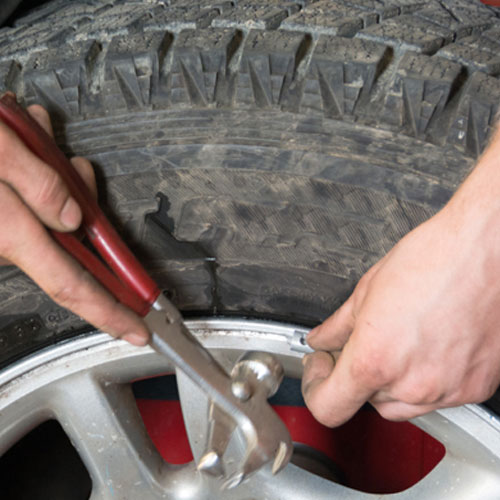
Clip-on wheel weights are designed to clip onto the outer edge of the wheel's rim. They are commonly used for steel wheels or in situations where quick installation or adjustments are necessary. Clip-on weights are easy to apply and remove, making them a preferred option for some vehicle types.
Pros of Clip-on Wheel Weights:
Easier and Faster to Install: Clip-on weights are easier to install and remove. Mechanics can quickly clip them onto the rim and adjust them if needed without worrying about adhesive drying or losing its bond.
Reusability: Clip-on weights are reusable, making them a more cost-effective solution in the long run. If you need to adjust your wheel balance again in the future, the clip-on weights can be removed and reattached.
More Secure in Some Conditions: Clip-on weights tend to stay in place more securely in extreme conditions (e.g., wet roads or off-road driving), as they don’t rely on adhesive. The metal clips grip tightly onto the rim, ensuring they remain attached even when exposed to mud, water, or high-speed driving.
Cons of Clip-on Wheel Weights:
Risk of Rim Damage: Clip-on weights can potentially scratch or damage the rim, particularly when they are not applied or removed carefully. This is a significant concern for vehicles with expensive, custom, or alloy wheels.
More Visible: Clip-on weights are more noticeable than adhesive weights, which can be a downside for those who want a cleaner, sleeker look for their wheels. This is especially true for vehicles with alloy wheels or those that are part of a custom design.
Not Ideal for Low-Profile Tires: Low-profile tires, common on performance vehicles, often don't have enough space for clip-on weights, making adhesive weights a better option for these applications.
Comparison: Adhesive Wheel Weights vs. Clip-on Wheel Weights
| Feature |
Adhesive Wheel Weights |
Clip-on Wheel Weights |
| Aesthetics |
Discreet and hidden inside the wheel |
More visible, particularly on the outer edge of the rim |
| Ease of Installation |
Requires careful application and pressing |
Quick and easy to install and remove |
| Reusability |
Not reusable once removed |
Can be reused multiple times |
| Risk of Rim Damage |
Less risk of damage to the rim |
Can potentially damage rims, especially alloy rims |
| Durability |
Adhesive may wear off over time or under extreme conditions |
More secure in harsh conditions, like off-roading or wet roads |
| Best for Low-Profile Tires |
Ideal for low-profile tires, especially on performance vehicles |
Not recommended for low-profile tires due to space limitations |
| Rust and Corrosion Resistance |
More resistant to rust and corrosion |
Can rust, especially in humid or wet conditions |
Which is Right for You?
Choosing between adhesive and clip-on wheel weights ultimately depends on your vehicle type, driving conditions, and aesthetic preferences:
Adhesive Wheel Weights are best suited for:
• Vehicles with alloy wheels or custom rims that prioritize appearance.
• Low-profile tires where clip-on weights wouldn't fit.
• Drivers who prefer a cleaner, less noticeable wheel balance solution.
• Vehicles that are used mainly in dry or moderate conditions.
Clip-on Wheel Weights are ideal for:
• Steel wheels or vehicles with more traditional rims.
• Drivers looking for a cost-effective, reusable solution.
• Situations where wheel weights may need to be adjusted frequently (e.g., commercial vehicles or off-road trucks).
• Environments where extreme conditions might cause adhesives to fail, such as wet or off-road environments.
Both adhesive and clip-on wheel weights have their place in wheel balancing. Adhesive weights provide a sleek, aesthetic solution, particularly for vehicles with custom or alloy rims, while clip-on weights are easier to apply, reusable, and provide a more secure fit in demanding driving conditions. The best choice depends on your vehicle, driving habits, and maintenance preferences, so take the time to consider the pros and cons before shopping for wheel weights.
Adhesive wheel weights are strips of lead or zinc material coated with a strong adhesive backing. These weights are applied directly to the inside or outside rim of the wheel. They are often used for newer cars, especially those with alloy wheels, as they provide a cleaner and more discreet solution.